
Buy Vermox Online at the Best Prices Today

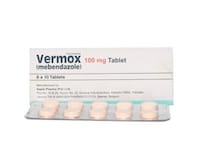
Buy Vermox Online at the Best Prices Today
Finding the Right Dose for Your Symptoms
Trying to figure out the right dose for medication often feels like walking through a thick fog without a flashlight. When it comes to Vermox, one size definitely does not fit all. It is more like a tailor-made suit that must match your specific biological frame. Taking too little might leave the uninvited guests in your gut untouched, while taking too much is just unnecessary.
For most adults, the standard protocol involves a single 300mg dose to clear out common intestinal invaders. Your doctor might suggest a different path if the infection is particularly stubborn. It is vital to follow the prescription to the letter, because skipping steps can turn a quick fix into a long-term headache.
Children require a much more delicate touch. Doctors often measure dosage by weight rather than just age to ensure everything stays safe. Usually, children over two years old receive a specific milligram count based on their body size. Always double-check the label because, in the world of pediatrics, even a small slip can cause big problems.
- Adults: Usually 300mg as a single dose or as directed by a physician.
- Children (2+ years): Dosage is calculated based on body weight.
- Infants: Not typically recommended for children under two years of age.
Timing and Consistency
You might wonder if you should take your dose on an empty stomach or after a heavy feast. Generally, Vermox works effectively whether you have eaten or not, but taking it with food can act as a buffer. If you have a sensitive stomach, a light snack can prevent that unpleasant, churning feeling.
Consistency is the name of the game when you are fighting an internal battle. If you miss a dose, do not try to “double up” to catch up. That is like trying to make up for lost sleep by sleeping twenty hours straight. Simply take the missed dose as soon as you remember, unless it is almost time for the next one.
If you find yourself skipping doses frequently, you are essentially playing a game of hide-and-seek with the parasites. They can hide in the folds of your intestinal walls, waiting for the medicine to wear off. Staying on schedule ensures the medication maintains a steady presence in your system to finish the job.
Timing can be tricky if you are traveling or working irregular shifts. Try to tie your dose to a daily habit, like brushing your teeth, to make it second nature. This ritualistic approach helps ensure the medicine stays on track, even when life throws you a curveball.
Side Effects and Red Flags
Not everyone reacts to the medicine in the same way. Some people report a mild stomach ache or perhaps a bit of nausea, which is often just the body’s way of saying it is busy working. Think of it as a minor skirmish during a larger war. Most of these symptoms fade away quickly.
However, you should keep a watchful eye on how you feel after ingestion. While rare, some people might experience skin rashes, dizziness, or even severe abdominal pain. If these symptoms start to feel like a thunderstorm rather than a light drizzle, it is time to stop and call the experts.
It is important to differentiate between “uncomfortable” and “dangerous.” A little nausea is one thing, but an allergic reaction is quite another. If you notice swelling in your face or difficulty breathing, stop the treatment immediately and head to the emergency room. Safety should always be your North Star.
Common side effects to monitor include:
- Mild nausea or stomach cramps.
- Dizziness or lightheadedness.
- Headaches or general fatigue.
- Occasional loss of appetite.
When to Pause and Consult
There comes a time when you must stop the treatment and seek professional advice. If your symptoms persist for more than a few days or if they suddenly get much worse, do not wait for it to pass. Sometimes, a different approach or a different medication is required to truly win the fight.
If you are pregnant or planning to become pregnant, the conversation changes entirely. You should always consult your healthcare provider before taking any anthelmintic medication during these stages. It is better to be safe than sorry when it comes to fetal development and maternal health.
Don’t be a hero and try to push through intense pain. If the medication causes a significant change in your bowel habits or unexpected skin irritation, pull the plug and call your doctor. They are the captains of the ship when it comes to your medical journey.
Sometimes, the cost of a consultation is much lower than the cost of a complication. If you are unsure about a side effect, a quick phone call to your clinic can provide peace of mind. It is always better to ask a “silly” question than to ignore a serious symptom.
Comparing Vermox to Alternative Deworming Options
Mebendazole versus Albendazole
When you step into the pharmacy, you might find yourself staring at two heavy hitters: Mebendazole and Albendazole. While they sound like siblings, they behave quite differently once they hit your digestive tract. Mebendazole, the star of Vermox, tends to stay localized in the gut, which is a double-edged sword depending on your specific infection.
Albendazole is often described as the “heavy lifter” because it has a broader reach. It can cross into the bloodstream and tackle parasites that have migrated outside the intestines. If you are dealing with a systemic infection, Albendazole might be the specialist called in for a high-stakes mission, whereas Mebendazole is the local sheriff.
However, because Mebendazole stays put, it often carries a lower risk of systemic side effects. It is like hiring a local security guard instead of a traveling mercenary; the guard stays right where the trouble is. This localized action is why many doctors prefer it for simple, intestinal-only issues where you want to avoid body-wide exposure.
Choosing between them is not a simple “better or worse” scenario. It is more like choosing between a scalpel and a broadsword. If the enemy is strictly in the gut, a scalpel is precise and clean. If the enemy has spread across the battlefield, you might need the sweeping power of a broader medication.
Efficacy and Recovery Timelines
Efficacy is the name of the game when you are trying to clear a parasitic infestation. For common culprits like pinworms or roundworms, Mebendazole is incredibly reliable. It works by starving the worms of their glucose, effectively cutting off their fuel supply until they simply pass out of the system.
In terms of recovery, timing is everything. With Vermox, you might notice a change in bowel movements fairly quickly, but the full “clearance” often depends on the life cycle of the parasite. It is not a one-and-done magic wand; sometimes you need a second round to catch the newly hatched invaders.
Other medications might offer a faster “kill rate” in a laboratory setting, but real-world recovery varies. Some patients feel better within 48 hours, while others might endure a few days of mild discomfort as the body flushes the debris out. Patience is a virtue when your internal ecosystem is undergoing a massive renovation.
If you are looking at the big picture, the “success” of the treatment is measured by the absence of symptoms and the lack of re-infection. A quick fix is great, but a thorough, sustained treatment is what keeps the parasites from moving back into your “neighborhood” next month.
Administration and Cost Analysis
How you take the medicine can make or break the experience, especially for little ones. Tablets are the standard for adults, but they can be a tough pill to swallow—literally—for toddlers. This is where liquid suspensions become a lifesaver, making the process much less of a wrestling match during dinner time.
Liquids are much easier to dose accurately, but they can also have a strange taste that makes children recoil. On the other hand, tablets can be crushed, though this might alter how the drug is absorbed. You have to weigh the convenience of the form against the ease of getting it down the hatch.
Price is the final hurdle for many families. While generic options are often the budget-friendly champions, brand-name medications might offer more consistent purity or easier-to-use packaging. It is a classic case of balancing the wallet against the desire for the most seamless experience possible.
Below is a breakdown of how different options typically compare in terms of cost and quantity:
| Option Type | Quantity/Form | Estimated Cost |
| Vermox (Brand Name) | 10 Tablets | $25 |
| Generic Mebendazole | 10 Tablets | $12 |
| Albendazole Liquid | 40ml Bottle | $18 |
| Generic Albendazole | 40ml Bottle | $9 |
Navigating the Marketplace and Pricing Trends
Shopping for medication can feel like navigating a dense fog without a compass. You might walk into a local pharmacy and see one price, only to find another when checking an online provider. For Vermox, the retail landscape is quite diverse, and understanding the nuances of these price tags is essential for any savvy consumer.
On average, you can expect to pay around $25 for a standard box of brand-name Vermox. This price reflects the premium you pay for the manufacturer’s reputation and the convenience of their packaging. It is a bit like buying a designer tool versus a generic one; both do the job, but one carries more prestige.
Generic alternatives are often the hidden gems of the pharmaceutical world. You can frequently find the same active ingredient, mebendazole, for roughly $12 per unit. While the savings are significant, always ensure you are purchasing from a reputable source to avoid the pitfalls of the unregulated gray market.
Factors Influencing Price Fluctuations
Price is rarely a static number; it dances around based on several variables. Supply chain hiccups can cause a sudden spike in costs, making a previously affordable bottle feel like a luxury item. It is a volatile dance that can catch many families off guard when they need medication most.
Geographic location also plays a massive role in what you eventually pay at the register. In some regions, pharmacy markups can drive prices up significantly compared to larger, more competitive urban hubs. It is often worth a quick phone call to a few different local shops to compare their current rates.
Insurance coverage is the ultimate wild card in this equation. Depending on your plan, a prescription that would cost $25 out-of-pocket might only cost you a $5 copay. Never assume you know the final price until you have actually presented your card at the pharmacy counter.
Seasonality also plays a subtle part in these shifts. During peak seasons for certain parasitic infections, demand can surge, causing a ripple effect through the supply chain. It is wise to keep a little extra buffer in your budget if you know you are entering a high-risk period.
Bulk Purchasing and Dosage Variations
If you are managing a household where multiple people might need treatment, buying in bulk can be a real lifesaver. Purchasing larger quantities or multi-pack bundles often brings the price per tablet down significantly. It is the pharmaceutical version of buying the giant tub of laundry detergent instead of the small bottle.
However, there is a catch to the “bulk discount” logic. You must ensure the medication is stored correctly and that you won’t be left with an expired surplus. There is nothing quite as frustrating as realizing you bought a mountain of pills only to find they’ve lost their potency.
Dosage strength also dictates the final bill. A 100mg tablet is the standard workhorse, but you may encounter 200mg variations depending on the specific treatment protocol. Generally, higher strength pills or liquid suspensions carry a higher price point per dose due to the concentration of the active ingredient.
Typical price ranges can be summarized as follows:
- Low-dose/Generic: $5 – $15 per unit
- Standard Strength (Brand): $20 – $35 per unit
- High-dose/Liquid Formulations: $15 – $40 per unit
Sourcing Your Medication Safely Online
The digital pharmacy landscape can feel like a minefield for the unwary. One moment you are searching for a convenient way to order Vermox, and the next, you are staring at a website that looks more like a neon-lit casino than a medical provider. It is easy to get lost in the digital weeds.
Red flags often hide in plain sight, disguised as “too good to be true” deals. If a website offers a massive discount that makes a $25 box of Vermox look like a $2 steal, your internal alarm should be ringing loudly. Scammers often use these bait-and-switch tactics to lure unsuspecting buyers into providing sensitive data.
Watch out for websites that lack clear contact information or physical addresses. A legitimate vendor should be willing to stand behind their products. If the only way to reach them is through a generic “Contact Us” form that never gets a response, you are likely dealing with a ghost ship in the digital ocean.
Another warning sign is the absence of a professional-looking interface. If the site is cluttered with aggressive pop-ups or looks like it was designed in the late nineties, proceed with extreme caution. Professionalism in web design often mirrors the level of care taken in pharmaceutical storage and distribution protocols.
Verifying the Legitimacy of Digital Vendors
Before you click “buy,” you must play detective. A reputable online pharmacy should always be able to provide proof of their credentials. It is not enough to simply claim they are “certified”; you need to see the actual documentation that proves they follow the strict rules of the medical industry.
Always look for the presence of a VIPQ (Verified Internet Pharmacy Practice Sites) seal or similar regulatory markings. These badges act as a digital handshake, signaling that the vendor has undergone rigorous vetting. Without these markers, you are essentially flying blind in a very high-stakes game of chance.
Checking for regulatory certifications is your strongest shield against counterfeiters. Ensure the vendor is licensed to operate in your specific jurisdiction. A vendor might claim to be “international,” but if they cannot show they comply with established safety standards, your order might arrive as nothing more than useless chalk.
You should also verify that the website uses secure encryption for all transactions. Look for the little padlock icon in your browser’s address bar. If you are entering your credit card details on a site that is not secured via HTTPS, you might as well be handing your wallet to a stranger on the street.
Navigating Customer Reviews and International Pitfalls
Customer reviews can be a double-edged sword. While they offer a glimpse into the user experience, you must learn to read between the lines. A single five-star review might be a plant, whereas a pattern of detailed, nuanced feedback often points toward a genuine history of service.
Look for specific details in the testimonials. Did the customer receive their Vermox in a timely manner? Was the packaging discreet and intact? If the reviews are all generic “Great service!” or “Fast shipping!” without any substance, treat them with a healthy dose of skepticism. Real people tell stories; bots tell slogans.
Navigating international webstores introduces a whole new layer of complexity. While you might save $10 on a shipment from overseas, you might face unexpected customs duties or long delays at the border. It is a classic case of being “penny wise and pound foolish” if you end up paying more in fees later.
Common pitfalls include the sudden disappearance of your package once the payment is processed. Some international vendors operate in a legal “gray zone” where they have no accountability if your shipment is seized by customs. Always weigh the potential savings against the risk of losing your money and your medication entirely.
To keep your shopping experience smooth, keep this checklist in mind:
- Verify the presence of a legitimate, verifiable pharmacy license.
- Check for secure payment gateways and HTTPS encryption.
- Search for third-party reviews on independent consumer forums.
- Confirm that international shipping policies are clearly stated.
- Avoid any site that refuses to provide a physical business address.
Shipping Logistics and Delivery Expectations
Once you hit that final checkout button, the clock starts ticking. Timing is everything when you are waiting for medical supplies. Domestic orders typically move like a well-oiled machine, usually arriving within 3 to 7 business days. However, international transit is a different beast entirely, often involving a long journey across oceans and through various sorting hubs.
If you are ordering from overseas, prepare for a bit of a waiting game. International shipments can take anywhere from 14 to 30 days depending on the destination. It is not uncommon for packages to sit in a transit hub for a week while paperwork is processed. Patience is your best friend when navigating the complexities of global logistics.
Shipping costs vary depending on how fast you want your package to land on your doorstep. We have broken down the estimated costs below to help you plan your budget. Remember, choosing a faster method often means a higher price tag, so weigh your options carefully before committing to a specific tier.
| Shipping Tier | Estimated Transit Time | Standard Cost |
| Domestic Standard | 3-7 Business Days | $5 |
| Domestic Express | 1-2 Business Days | $15 |
| International Standard | 14-30 Business Days | $25 |
| International Priority | 7-14 Business Days | $45 |
Packaging and Product Integrity
When it comes to medication, the box is more than just cardboard; it is a protective shield. Our logistics team follows strict protocols to ensure that every unit of Vermox arrives in pristine condition. We utilize reinforced, moisture-resistant outer packaging to guard against the elements. It is a “belt and braces” approach to prevent any accidental damage during transit.
Temperature control plays a massive role in maintaining chemical stability. We ensure that the internal environment of the package remains stable, avoiding extreme heat or cold that could compromise the efficacy of the medication. Think of it as a protective cocoon designed to withstand the rough and tumble of a long-distance journey through various climates.
Discretion is another cornerstone of our packaging philosophy. We understand that privacy is paramount for many of our customers. Packages are shipped in plain, unmarked boxes that do not scream “pharmacy” to any curious neighbors or nosy postal workers. We aim to be as invisible as possible while being as protective as possible.
Every shipment undergoes a final quality check before it leaves the warehouse. We inspect the seals to ensure they are intact and that no tampering has occurred. It is a meticulous process, but it is the only way to ensure that what you ordered is exactly what you receive at your door.
Tracking and Customs Navigation
Gone are the days of staring out the window waiting for the mail carrier. Every order comes with a digital paper trail. Once your package leaves our facility, you will receive a tracking number via email. This allows you to follow the journey from the warehouse to your doorstep, watching it move through every major checkpoint.
If you are ordering internationally, you might encounter a few speed bumps at the border. Customs officials are the gatekeepers of international trade, and they can be quite thorough. This can lead to unexpected delays that are entirely out of our hands. It is like waiting in a long line at a busy airport; sometimes, you just have to wait.
Be aware that some countries may impose import duties or specialized taxes on pharmaceutical shipments. These fees are not part of your initial shipping cost and must be paid to the local authorities to release your package. To avoid a “surprise bill” upon delivery, it is wise to check your local regulations before placing an order.
If your tracking status remains stuck on “Customs Clearance” for an extended period, do not panic immediately. Most of the time, it simply means your package is sitting in a queue waiting for an officer’s review. If the delay stretches past three weeks, it is time to reach out to our support team for assistance.
Real-World Scenarios and Usage Contexts
Post-Adventure Recovery and Travel
Imagine returning from a rugged hiking trip in the mountains or a trek through tropical jungles. Your boots are caked in mud, and your spirit is high, but your stomach feels a bit “off.” It isn’t uncommon to realize that something in the local water or an undercooked meal has introduced unwelcome guests into your system.
For many travelers, a sudden bout of abdominal cramping or unexplained weight loss can be a major red flag. If you have been camping in areas with poor sanitation, the risk of parasitic infection spikes significantly. In these instances, having a reliable treatment option like Vermox on hand can be a literal lifesaver for your digestive health.
Managing these infections requires a calm head and a clear plan of action. It is not just about treating the symptoms; it is about addressing the underlying cause that the parasites have left behind. Taking the right steps early can prevent a minor inconvenience from turning into a long-term health struggle.
Always remember that travel-related issues can be sneaky. You might feel fine on the plane ride home, only to have symptoms flare up a week later. This delayed reaction is a classic sign that your body is dealing with something internal that requires more than just rest and hydration.
Routine Care for Pet Owners
If you share your home with a furry friend, you know that life can get a little messy. Puppies and kittens are notorious for exploring every nook and cranny with their mouths, often bringing home microscopic hitchhikers. Maintaining a strict deworming schedule is a cornerstone of responsible pet ownership in the modern era.
Even if your pet lives strictly indoors, they aren’t entirely safe from the outside world. A stray flea or a shared toy can be a gateway for parasites to enter your household. Many owners find that regular preventative measures are much easier and less expensive than dealing with a full-blown infestation later on.
Think of it as an insurance policy for your pet’s well-being. By staying ahead of the curve, you reduce the chance of your beloved companions suffering from lethargy or digestive distress. It is a small investment of time and money that pays massive dividends in terms of their long-term vitality.
Keep a log of when you administered any treatments to ensure you don’t miss a dose. Consistency is the name of the game when it comes to keeping your home a parasite-free zone. A little bit of foresight goes a long way in keeping the tails wagging and the bellies happy.
Addressing Household Symptoms
When a family member starts complaining of sudden nausea or persistent bloating, the atmosphere in the house can turn sour very quickly. It is a stressful situation, especially when you aren’t quite sure if it is a simple stomach bug or something more persistent. You want to get everyone back to their normal selves as fast as possible.
If you suspect a parasitic infection is spreading through the house, it is vital to act quickly to stop the cycle. One person’s symptoms can easily become the entire family’s problem if you aren’t careful. Cleaning high-touch surfaces and washing linens in hot water can help mitigate the spread while you manage the medical side.
It is also important to monitor everyone closely, even those who seem perfectly fine at the moment. Some parasites can remain dormant or asymptomatic for a while before causing trouble. Being vigilant means you can catch a potential issue before it becomes a widespread household crisis that disrupts your entire routine.
Managing a household through an illness requires patience and a bit of organized chaos. Keep plenty of fluids on hand and ensure everyone is getting enough rest. While the medication does the heavy lifting, your support and care provide the foundation for a speedy and complete recovery for your loved ones.
Managing Expectations for Relief
It is important to understand that medicine isn’t a magic wand that works the instant you swallow it. While some people might notice an improvement in their symptoms relatively quickly, others may find that the process takes a little longer. Patience is a virtue when you are waiting for your body to reset.
You might experience some mild side effects as the medication works its way through your system. Things like temporary nausea or stomach discomfort are not entirely unexpected. It is much like a construction crew working on a busy street; there might be some noise and temporary disruption before the road is smooth again.
Do not expect an overnight transformation. The goal is to gradually eliminate the parasites and allow your intestinal lining to heal. This process takes time, and rushing the process by taking extra doses can be counterproductive and even dangerous. Stick to the prescribed regimen and give your body the space it needs.
Keep track of how you are feeling day by day. If you notice that your symptoms are not improving or, conversely, if they are getting significantly worse, that is your signal to change your approach. Understanding the timeline of recovery helps keep anxiety at bay during the healing process.
When to Seek Immediate Medical Intervention
While many cases can be managed at home, there are certain “red flags” that should never be ignored. If you experience severe, unrelenting abdominal pain, it is time to stop self-treating and head to a clinic. Pain that feels sharp or localized can indicate a more serious complication that requires professional attention.
Watch out for signs of dehydration, such as extreme thirst, dizziness, or a lack of urination. This is particularly common if you are dealing with heavy diarrhea or vomiting. Dehydration can escalate into a medical emergency very quickly, especially in children or the elderly, so do not wait until the situation is dire.
Other symptoms that demand an immediate doctor’s visit include:
- Blood in your stool or vomit
- A high fever that refuses to break
- Severe weight loss without trying
- Persistent vomiting that prevents fluid intake
- Signs of an allergic reaction to medication
If you find yourself in any of these situations, trust your gut. It is always better to be told by a medical professional that it is nothing serious than to ignore a problem that could have been caught early. Your health is far too valuable to leave to chance or guesswork.
Contact & directions
Address:
2305 North Central Expressway,
Dallas, TX 75204, USA







 Gọi
 Gọi